Patients often have practical questions about platelet rich plasma, including safety, expected results, and how to choose a qualified provider. Because PRP is used across multiple medical specialties in the United States, experiences and protocols can vary. These frequently asked questions address common topics discussed during PRP consultations and are intended to help patients understand what to expect and how to make informed decisions with a licensed provider.
Platelet rich plasma is generally considered safe when performed by trained clinicians using sterile technique. In the United States, PRP uses a patient’s own blood, which significantly reduces the risk of allergic reaction or disease transmission. The U.S. Food and Drug Administration regulates the devices used to collect and prepare PRP, such as centrifuges and collection kits, but PRP itself is not approved as a drug for all uses. Instead, it is considered a medical procedure performed at a provider’s clinical discretion. As with any injection based treatment, proper patient selection and technique are essential to minimize risks.

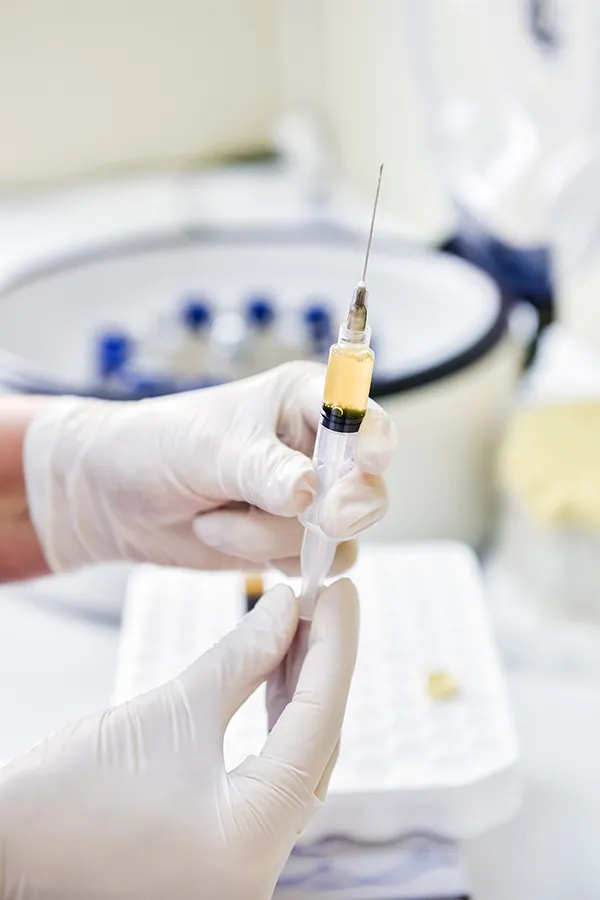
Platelet rich plasma is a concentrated portion of a patient’s own blood that contains a higher than normal number of platelets suspended in plasma. To prepare PRP, a small amount of blood is drawn from a vein and placed into a centrifuge. The centrifuge spins the blood to separate its components by density, allowing platelets to be concentrated into the plasma layer. That platelet rich portion is then collected and prepared for injection. Because PRP is derived from the patient’s own blood, it is referred to as an autologous treatment.

The number of PRP treatments needed varies depending on the condition being treated, the tissue involved, and individual patient factors. Some patients receive a single PRP injection, while others may undergo a short series of treatments spaced weeks apart. In many cases, providers reassess response after the first treatment before recommending additional injections. There is no universal protocol that applies to every patient, which is why individualized evaluation is important when considering PRP therapy.

PRP results are typically gradual rather than immediate. Platelet rich plasma works by stimulating biological signaling and tissue response, which takes time. Some patients may notice early changes within a few weeks, but improvements often develop over several weeks to months. Unlike treatments designed to temporarily block pain or inflammation, PRP is intended to support longer term tissue processes, so patience and realistic expectations are important.

The duration of PRP results varies widely. Some patients experience benefits lasting several months or longer, while others may notice more temporary changes. Longevity depends on factors such as the treated tissue, severity of the condition, activity level, and overall health. In some cases, repeat PRP treatments are considered to maintain or enhance results. A licensed provider can help set expectations based on individual circumstances.

The PRP injection process typically feels similar to other injection based procedures. Patients may feel pressure or brief discomfort during the injection itself, which varies depending on the location being treated. After treatment, it is common to experience temporary soreness, stiffness, or swelling at the injection site. These effects usually resolve within a few days. Recovery experiences differ by application, and providers often give specific post procedure guidance based on the treated area.

Return to normal activity depends on the treatment area and the provider’s protocol. In many cases, patients can resume light daily activities within a day or two. More strenuous exercise or high impact activity may be limited for a short period to allow the treated tissue to respond. Providers often tailor activity recommendations based on whether PRP was used for musculoskeletal, hair, aesthetic, or wellness related purposes.

PRP and steroid injections serve different purposes. Steroid injections are primarily used to reduce inflammation and may provide faster symptom relief, but their effects are often temporary. Platelet rich plasma does not suppress inflammation in the same way. Instead, it is intended to influence biological signaling and tissue response over time. Some patients prefer PRP because it uses their own blood rather than a pharmaceutical medication, while others may be better candidates for steroid treatment depending on their condition.

PRP differs from other biologic treatments such as stem cell therapies or amniotic products in both source and regulatory considerations. Platelet rich plasma is derived entirely from a patient’s own blood and is minimally processed. Other biologic products may come from donor tissue or involve more complex preparation methods. These differences can affect safety considerations, regulatory oversight, and clinical use. A knowledgeable provider can explain how PRP compares to other biologic options for a given situation.

Yes, PRP is often combined with other treatments as part of a comprehensive care plan. Depending on the application, PRP may be used alongside physical therapy, rehabilitation programs, lifestyle modifications, or other medical interventions. In aesthetic or hair related care, PRP may complement additional procedures. Combining treatments is common, but timing and sequencing should be guided by a qualified provider.

No, PRP does not work the same for every patient. Individual response depends on factors such as age, overall health, blood composition, the condition being treated, and how PRP is prepared and delivered. Some patients respond well, while others may see limited benefit. Understanding this variability is important when deciding whether PRP is appropriate for a particular individual.

Most PRP side effects are mild and temporary. These may include localized pain, swelling, stiffness, or bruising at the injection site. Because PRP uses the patient’s own blood, serious adverse reactions are uncommon. As with any injection based procedure, there is a small risk of infection or tissue irritation, which is why sterile technique and proper clinical oversight are important.

PRP may not be appropriate for individuals with certain blood disorders, active infections, severe anemia, or medical conditions that affect platelet function. Patients taking specific medications that interfere with platelet activity may also require special consideration. A licensed clinician should review medical history and determine whether PRP is a safe and reasonable option.

In the United States, PRP is performed by licensed healthcare providers across several specialties. These may include physicians in orthopedics, sports medicine, pain management, dermatology, and other fields, as well as advanced practice clinicians working under appropriate supervision. Training, experience, and familiarity with PRP protocols can vary, making provider selection an important part of the decision process.

Patients should ask about the provider’s experience with PRP, how candidates are evaluated, how PRP is prepared, and what outcomes are realistic. It is also reasonable to ask about risks, recovery expectations, and how PRP fits into a broader treatment plan. Clear communication and informed consent are key to making a confident decision about PRP therapy.

Frequently Asked Questions about PRP

What should patients know before choosing platelet rich plasma treatment?

Speak with a licensed provider to determine whether PRP therapy is right for you

This information is educational and not a substitute for professional advice. Platelet rich plasma is not FDA approved for all uses. Patients should consult a licensed U.S. clinician before pursuing treatment.